The Story of Page, Arizona: From Dam Workers to Desert Destination
The Birth of Page: A Town Built for the Dam
A Purpose-Built Community
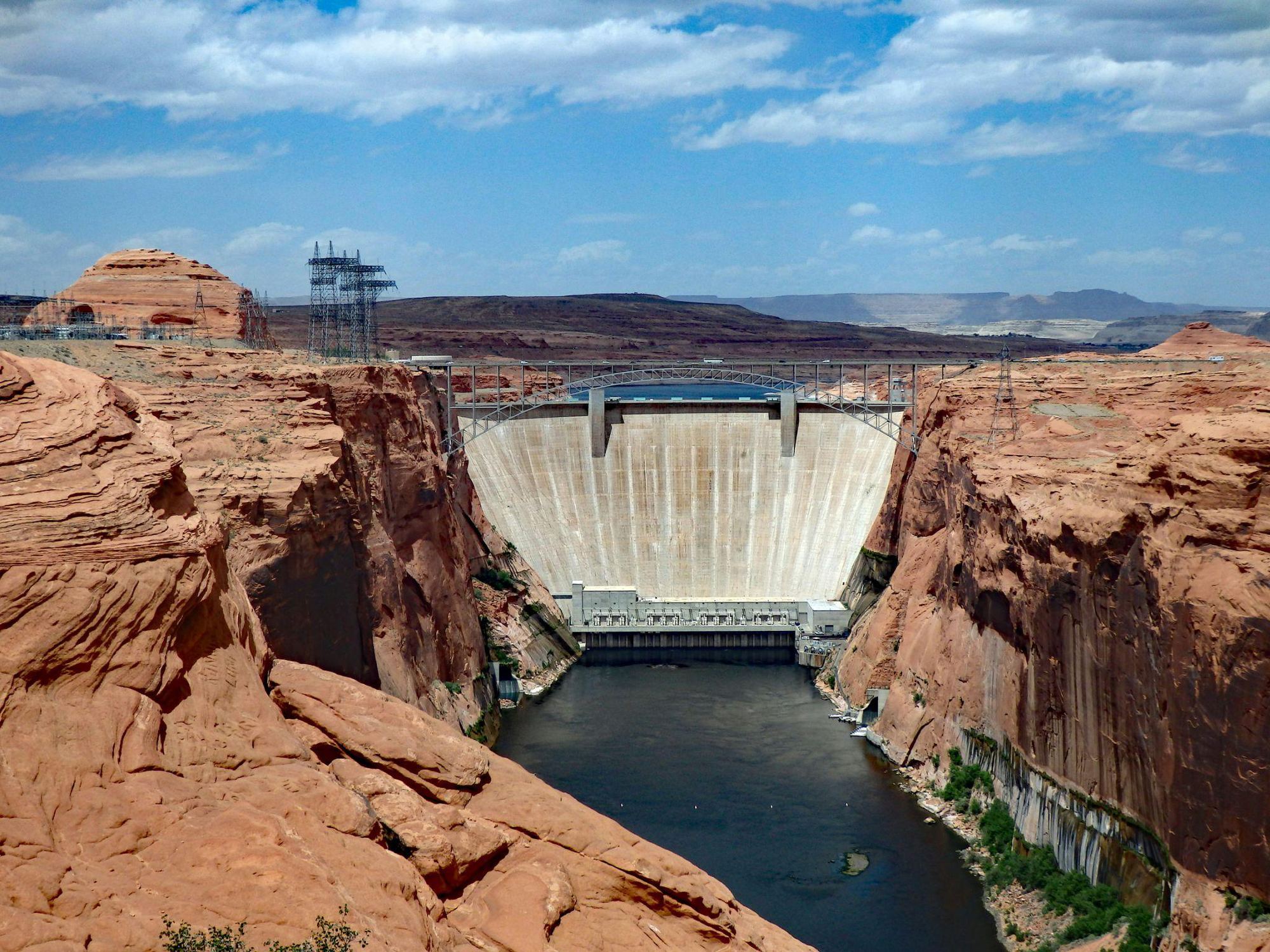
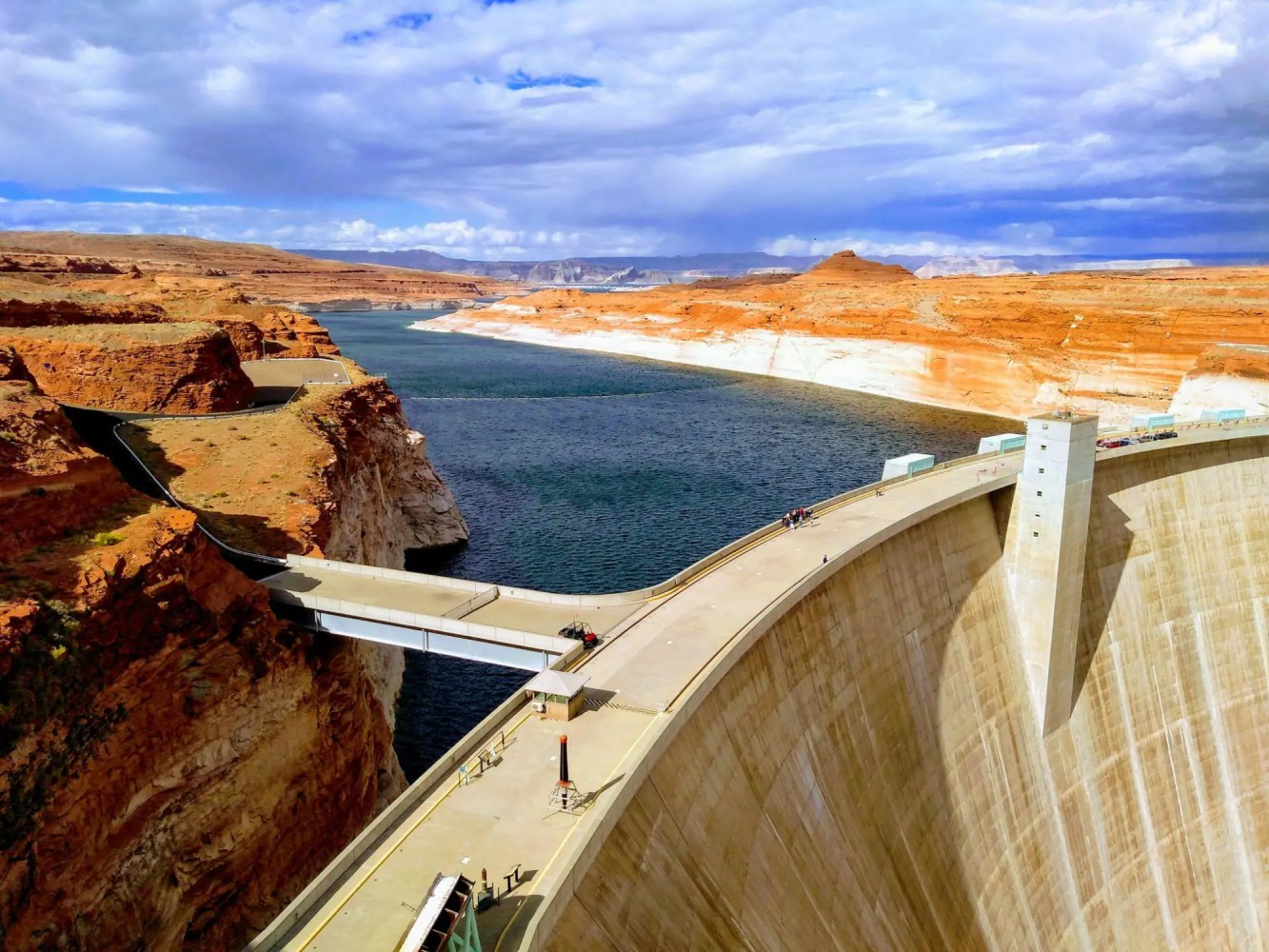
Page didn’t begin with settlers, prospectors, or pioneers. It was born of necessity. In 1957, construction was underway for one of the most ambitious projects in the American West: Glen Canyon Dam on the Colorado River. To house and support the workforce, the Bureau of Reclamation laid the foundations of a new community on Manson Mesa, just south of the dam site. (visitpageaz.com)
The land for the town was secured through a land exchange with the Navajo Nation. Roughly 24 square miles of Navajo lands were traded for a tract in Utah needed for the larger dam/reservoir footprint. (visitpageaz.com)
Originally dubbed “Government Camp,” the fledgling settlement featured rows of trailers and temporary housing, dirt roads, and the bare infrastructure needed to support construction crews. (ehillerman.unm.edu)
The town was later named for John C. Page, a former Commissioner of the Bureau of Reclamation who played a key role in water resource development in the West. (cityofpage.org)
Life in the Early Years
Those early winters and summers tested the resolve of the first Page residents. The region was remote. Vegetation was minimal; winds frequently coated the town with red sand. There were few luxuries. (Kenyon College)
Yet, community spirit thrived. Schools, basic services, and small businesses sprang up even as construction was underway. The Glen Canyon Bridge (completed in 1959) helped connect both sides of the canyon and began opening access for regional travel beyond the dam site. (visitpageaz.com)
From Infrastructure Project to Tourism Hub
The Dam Completes, the Town Persists
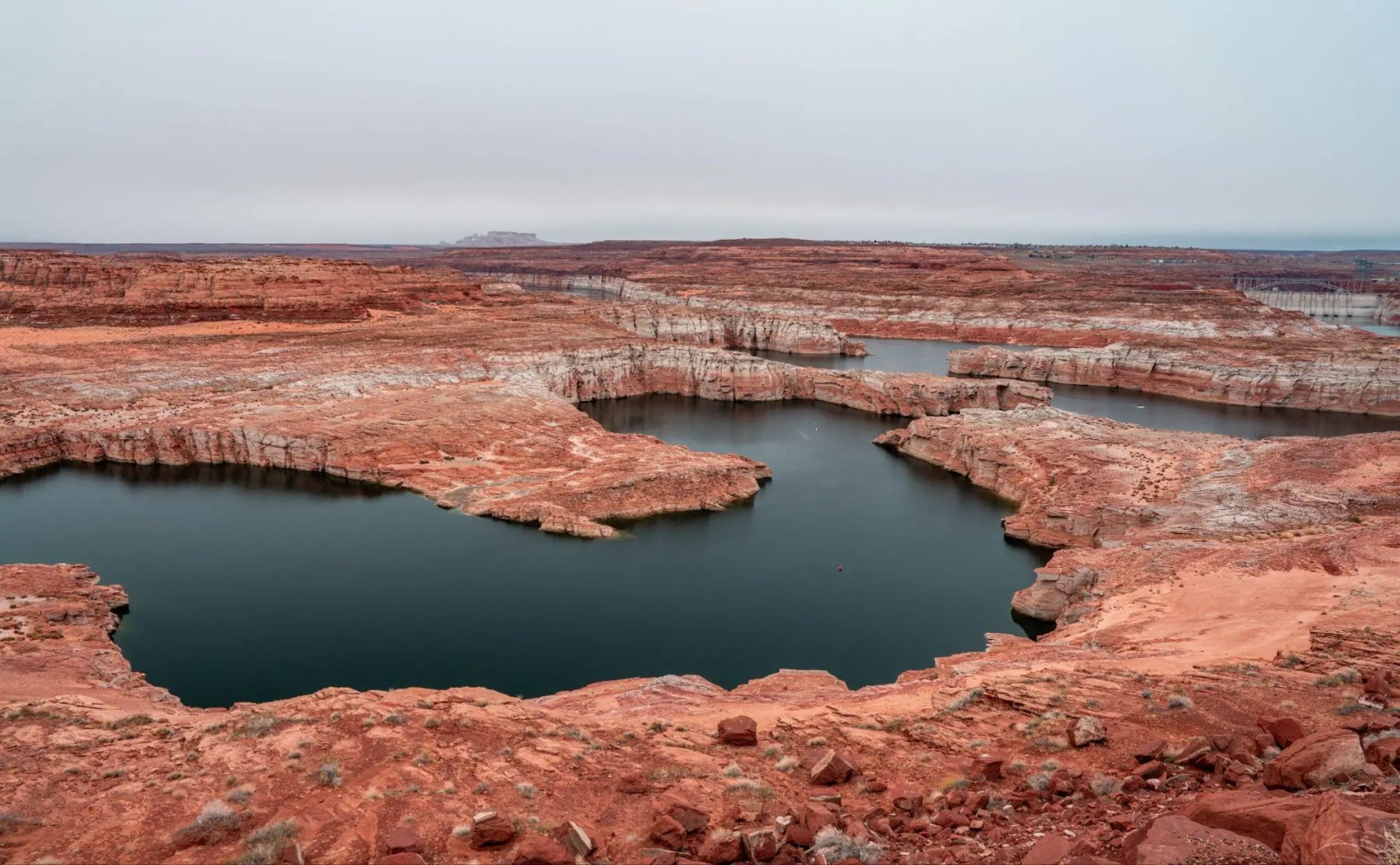
When Glen Canyon Dam was finished (1956–1966 construction period), Page did not vanish like many temporary camps. Instead, it transformed. As water filled behind the dam to form Lake Powell, Page became a natural base for recreation, boating, fishing, and access to dramatic canyons. (visitpageaz.com) In 1975, Page was officially incorporated as a city. (cityofpage.org) Infrastructure built for the dam—roads, the Glen Canyon Bridge, power transmission lines—helped make Page a connective hub between Arizona and southern Utah. (Bureau of Reclamation)
The Rise of Iconic Landscapes
- Glen Canyon National Recreation Area / Lake Powell, a massive reservoir and playground carved into desert and sandstone canyon walls.
- Antelope Canyon, on Navajo lands just adjacent to Page, which opened to tourism in the 1990s and drew visitors into its sculpted slot-canyon passages.
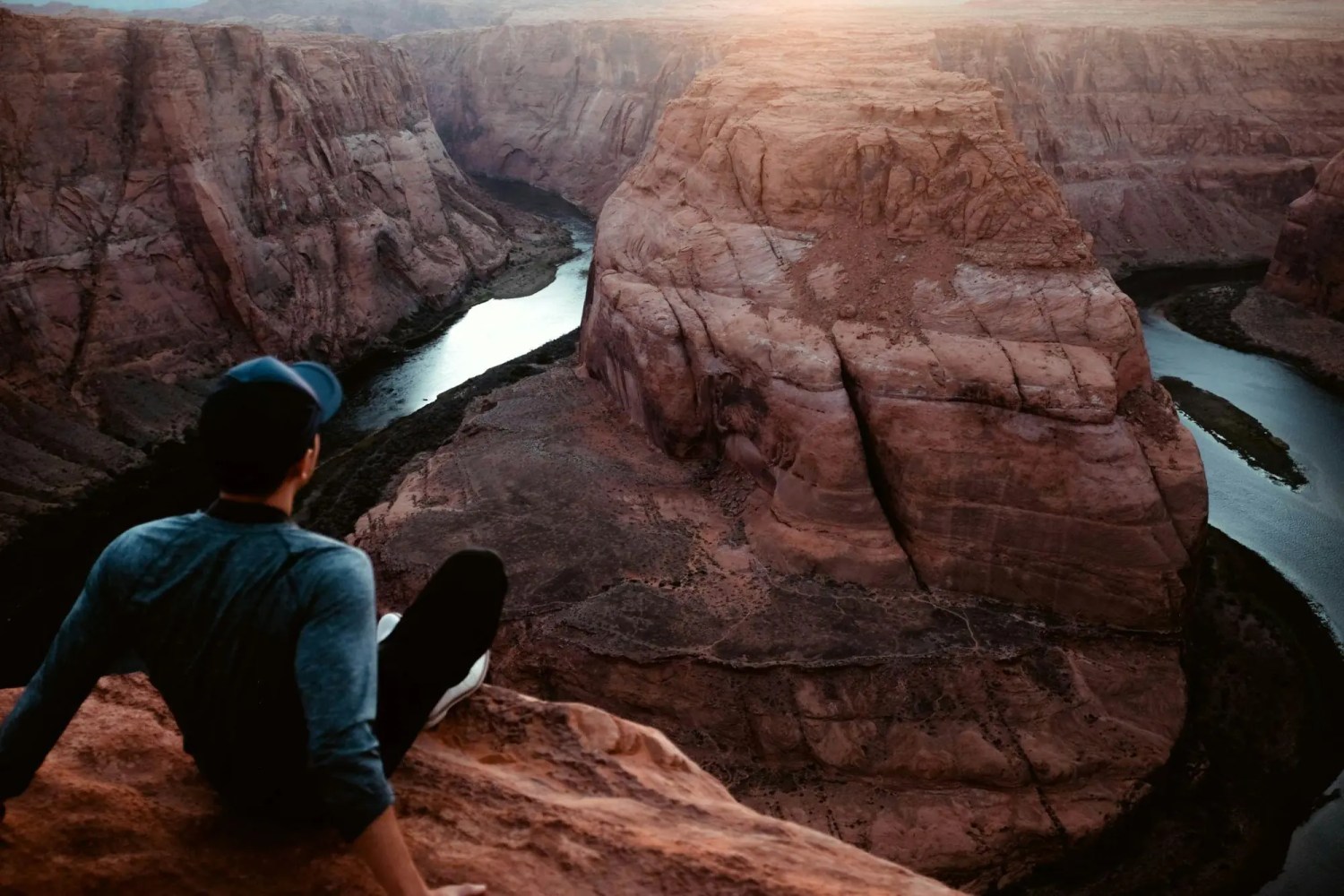
- Horseshoe Bend, another dramatic bend in the Colorado River, is now an emblem of the region and a must-see for many coming through Page.
- Spectacular red rock vistas, river escarpments, and sky-lit canyons all lie within reach.
Over time, Page reinvented itself: from dam town to regional gateway, from remote mesa to tourist hub. Millions of visitors pass through annually. (visitpageaz.com)
Contrasts and Challenges: Cultural & Environmental Contexts
Interactions with the Navajo Nation
Page’s creation involved land transfers with the Navajo Nation, altering the local map (visitpageaz.com). Over the decades, residents of Page—both Navajo and non-Navajo—have shared in the benefits and tensions of development. Oral histories known as the Page Pioneers preserve the voices of early residents, offering insight into how people adapted to a new town on a remote mesa. (canyonconservancy.org)
Engineering Ambition and Environmental Costs
The Glen Canyon Dam enabled hydroelectric power, water storage, and recreation. Its reservoir drowned countless side canyons, altered river ecology, and reshaped landscapes. These dynamics underlie much debate over dam projects and river conservation. Nonetheless, the dam’s presence brought electricity, access, and a stable economic base to Page and surrounding communities.
Why Page Matters Today — And What Antelope Air Brings
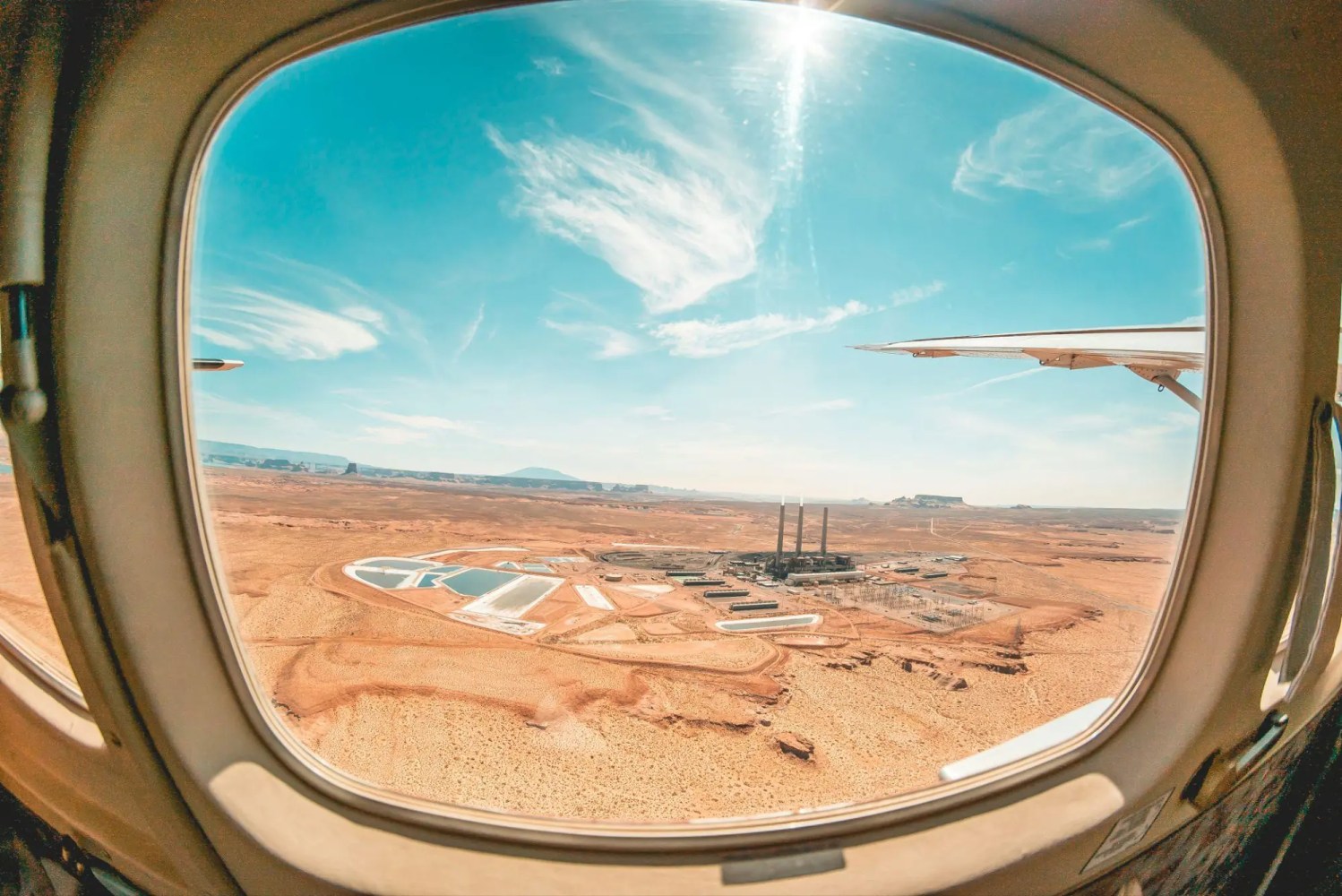
As the skies above Page, Arizona form the backdrop for Antelope Air’s aerial tours, visitors get a privileged vantage of this region’s layered history. From your cockpit you’ll glimpse:
- The sheer contrast of reservoir waters against red canyon walls
- The distant lines of infrastructure that made settlement possible
- Windswept mesa tops, narrow slot canyons, hidden tributaries
- The human legacy etched into the land — roads, bridges, dams balanced with desert scars
When tourists land in Page in hopes of exploring Antelope Canyon, Horseshoe Bend, or the shores of Lake Powell, they are stepping into a chapter that began as a tent-and-trailer dam camp less than a century ago. At Antelope Air, our mission isn’t just to fly you over landscapes — it’s to connect you to the story of this land, the people who shaped it, and how Page continues to evolve at the intersection of engineering marvel, cultural heritage, and wild beauty. So next time your wings launch over sandstone monoliths, let your mind also take flight: tracing the arc from dam workers in 1957 to present-day explorers chasing sunlight through narrow canyon walls.